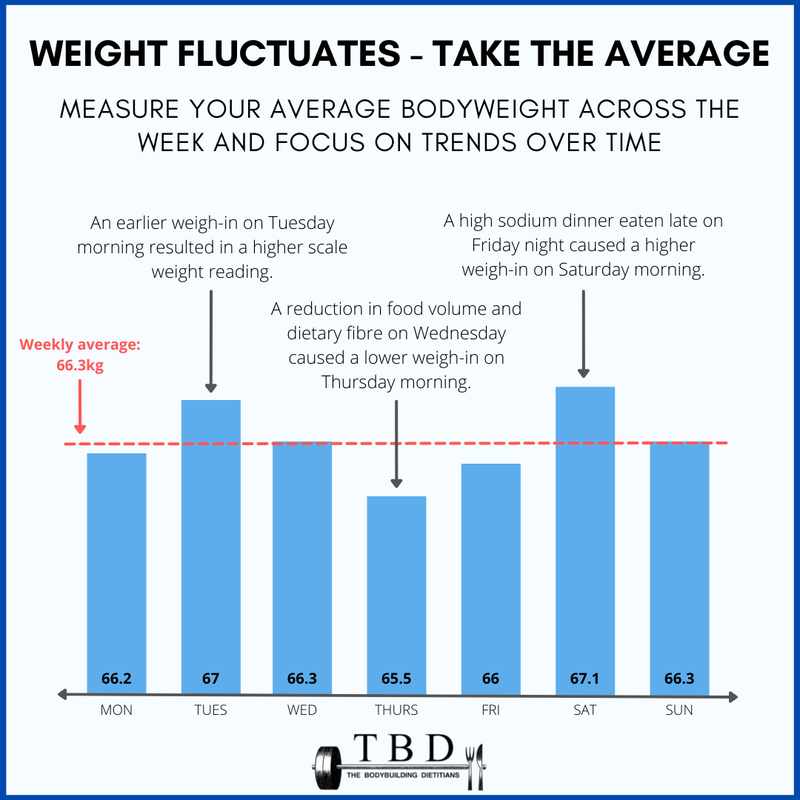
Every Monday morning, I step on the scale and curse. Without fail, I'm two to four pounds heavier than Friday. Every. Single. Week. For a while, I thought I was broken. I ate well all week, tracked everything, stayed disciplined. Then the weekend came, and somehow I undid half of it in forty-eight hours.
I started logging weekend behavior separately. Not calories — just habits. What I found was depressing and obvious at the same time. On weekdays, I eat breakfast at 7:30, lunch at noon, and dinner at 6:30. Pretty structured. On weekends? Breakfast becomes brunch at 10:30. Lunch gets skipped or replaced with snacks. Dinner moves to 8:30 PM, often at a restaurant with friends. Alcohol shows up. Dessert shows up. And somehow, without ever feeling like I "ate badly," I'm consuming an extra thousand calories a day.
The worst part is the sodium. Restaurant food is loaded with it. One dinner out on Saturday night can add three pounds of water weight by Sunday morning. It's not fat. It's water retention. But the scale doesn't know that. It just reports the number, and I react to it emotionally.
I started analyzing the data more carefully after a few months of tracking. The weekend rebound wasn't just about calories. It was about timing. On Friday nights, I'd eat dinner at 7 PM. On Saturdays, dinner often happened at 9 PM or later. That extra two hours of digestion time meant more food weight in my stomach when I stepped on the scale Sunday morning. The scale was weighing undigested food, not fat.
Alcohol played a bigger role than I wanted to admit. Two beers on Friday and three on Saturday added about 600 empty calories, but the real damage was the next-day effect. Alcohol disrupts sleep quality, which increases hunger hormones. I'd wake up Sunday craving pancakes and bacon instead of my usual oatmeal. The alcohol didn't just add calories — it changed my food preferences for the next 24 hours.
I also noticed that social eating was the biggest calorie driver. When I ate alone, I naturally stopped when full. When I ate with friends, I matched their pace and portion size. Group meals averaged 40% more calories than solo meals, and I wasn't even aware of it at the time. The conversation distracted me from my body's satiety signals.
My current weekend strategy is damage limitation, not perfection. I eat a light breakfast, a normal lunch, and enjoy dinner without guilt. I limit alcohol to two drinks total across the weekend. And I weigh myself Monday morning but don't log it — I wait until Wednesday for the "true" post-weekend number. It's a compromise that lets me live my life without derailing my trend.
I tried fighting it. I tried eating perfectly on weekends too. That lasted about three weeks before I became insufferable at social gatherings. Nobody wants to be the guy who brings a protein shake to a brewery. So I adjusted my strategy instead of my behavior.
Now I weigh myself on Friday morning and Monday morning, but I only log the Friday weight in my long-term trend. The Monday number gets a note in my spreadsheet: "weekend rebound, ignore." I also started eating a lighter breakfast on Saturdays and Sundays, which partially offsets the bigger dinners. The rebound dropped from four pounds to about two. Not perfect, but manageable.
The real lesson here is about data context. A single weigh-in means almost nothing. A Monday weigh-in after a social weekend means even less. What matters is the four-week average, and whether that average is moving in the direction you want. My four-week average has been slowly dropping for three months, despite the Monday morning panic sessions.
I still get annoyed on Mondays. But now I know why, and I know it's temporary. By Wednesday, the water weight is usually gone, and I'm back to Friday's number. The cycle repeats. The trend continues.
The data also revealed something about my psychology. I was using weekends as a reward for weekday discipline. "I was good all week, so I deserve to relax." But the relaxation was undoing half my progress. It was like saving $100 during the week and spending $60 on the weekend. You're still ahead, but you're not getting anywhere fast. I had to reframe weekends as part of the plan, not a break from it.
Now my weekend meals look different. I still go out. I still enjoy food. But I order differently. Grilled instead of fried. Vegetables instead of fries. One drink instead of three. I don't track calories on weekends — that would ruin the relaxation — but I make better default choices. The rebound dropped from four pounds to about one. That's manageable. That's sustainable.
Does your weight spike on Mondays too, or am I the only one?
The psychological reframing took longer than the behavioral change. For months, I still felt a twinge of guilt on Monday mornings even though I knew the number was temporary. The scale had trained me to react emotionally to every reading, and undoing that conditioning required patience. Now I look at Monday numbers the same way I look at rainy days — inconvenient, temporary, and irrelevant to the long-term climate. The trend line is my weather forecast, and it says the forecast is fine.
The real victory isn't eliminating the rebound. It's not letting the rebound derail you. Monday morning used to ruin my whole week. Now I look at the number, shrug, and eat my normal breakfast. By Wednesday, it's gone. The trend doesn't even hiccup. That's the difference between someone who tracks data and someone who panics at noise.