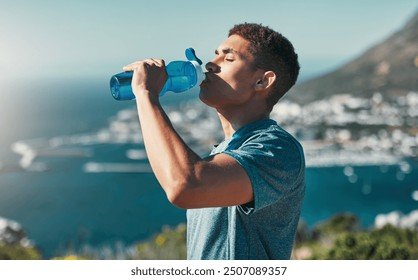
I used to drink maybe two glasses of water a day. The rest was coffee, Diet Coke, and whatever was in the office fridge. I didn't think it mattered for weight. Water has zero calories, right? How could it possibly affect the number on the scale?
Then I read a study about dehydration and weight fluctuation. Turns out, when you're even mildly dehydrated, your body holds onto water. Counterintuitive, but true. The less you drink, the more you retain. It's a survival mechanism. So I decided to run an experiment: drink a gallon of water a day for two weeks and watch what happened to my weight chart.
Day one was miserable. I was running to the bathroom every forty minutes. My coworkers probably thought I had a medical condition. But by day four, something interesting happened: my morning weight dropped by two pounds. Not because I lost fat in four days — that's impossible — but because my body stopped hoarding water. The scale was finally showing me my actual weight instead of my dehydrated, water-retaining weight.
I didn't just track weight during the experiment. I tracked subjective measures too. Energy levels on a 1-10 scale. Headache frequency. Hunger intensity. Skin clarity. It sounds like a lot, but each metric took five seconds to log. The results were striking. By day ten, my energy level had climbed from a 5 to a 7. Headaches dropped from three per week to zero. Hunger between meals became manageable instead of urgent.
The skin thing surprised me. I wasn't expecting it. But by week two, the persistent dryness on my forehead cleared up. I looked it up later — dehydration is a common cause of dry skin, and I had been chronically dehydrated for years without knowing it. My body was so used to low water intake that I didn't even feel thirsty most of the time. The thirst mechanism had basically gone dormant.
Another unexpected benefit: my workouts improved. I always thought I was well-hydrated enough for exercise because I drank water during workouts. But being hydrated going into the workout is what matters. Pre-hydration improved my endurance by maybe 10-15%. Runs that normally felt hard at mile two felt fine at mile three. I wasn't faster, but I lasted longer before fatigue set in.
The hardest part of the experiment was the social awkwardness. Carrying a water bottle everywhere made me feel like one of those people. You know the type. The "hydration is life" people. But I got over it. Now I have a 32-ounce bottle on my desk at all times, and I refill it three times a day. It's not a personality trait. It's just a habit. A really useful one.
The real surprise came when I looked at my weight chart. Before the experiment, my daily weights had a standard deviation of about 2.3 pounds. Wild swings. After two weeks of proper hydration, that dropped to 1.1 pounds. My chart became almost boring. The line smoothed out. I could actually see the real trend instead of drowning in noise.
I also noticed I was less hungry. Not dramatically, but enough that I stopped snacking at 3 PM. Turns out thirst and hunger signals are processed by the same brain regions, and we often confuse them. A glass of water at 2:30 PM killed my "hunger" more effectively than a granola bar ever did.
Now I drink water first thing in the morning, before every meal, and whenever I feel "hungry" between meals. It's not a magic weight loss hack. The calories still matter. But the stability it brought to my data was genuinely valuable. I can now trust my weekly averages because the daily noise is half what it used to be.
The funny thing? I started this experiment to see if water would help me lose weight. What it actually did was help me trust my data. And honestly, that's more useful. You can't manage what you can't measure, and you can't measure accurately when dehydration is adding two pounds of noise to every reading.
The habit stuck because I made it stupidly easy. I bought a 32-ounce water bottle and set it on my desk where I can't ignore it. I fill it first thing in the morning. I drink one full bottle before lunch. Another between lunch and dinner. A third in the evening. No counting ounces. No apps. Just three bottles. That's 96 ounces — more than a gallon. The simplicity is what makes it sustainable.
I also learned to drink water before meals, not during. Drinking before meals helps with satiety. Drinking during meals dilutes stomach acid and can impair digestion slightly. Is the effect huge? Probably not. But it's an easy optimization. Glass of water 20 minutes before eating. Then eat. Then wait an hour before drinking again. Small tweaks, compounding over time.
How much water do you actually drink in a day? Be honest.
My skin also improved noticeably. The persistent dryness on my forehead and around my nose cleared up within three weeks. I looked it up — chronic dehydration is a known cause of dry skin, and I had been mildly dehydrated for years without realizing it. My body had adapted to the low water intake so thoroughly that I rarely felt thirsty. The thirst mechanism had essentially gone dormant. Waking it up took consistent effort, but once it was active, staying hydrated became automatic.
If you're reading this and thinking "I should drink more water," start small. Don't aim for a gallon on day one. Aim for one extra glass. Then two. Build the habit gradually. Your bladder needs time to adjust. Your habits need time to form. Radical changes fail. Incremental changes stick. That's the only lesson that has ever worked for me.