I used to eat out for almost every meal. Breakfast was a breakfast sandwich from the cafe near work. Lunch was whatever the team ordered. Dinner was takeout or delivery. I told myself I was too busy to cook. I told myself it was just as healthy as home-cooked food. I told myself a lot of things that weren't true.
The reality was that restaurant food is engineered for taste, not health. Salt, sugar, and fat are cranked up to eleven because that's what keeps customers coming back. A seemingly healthy chicken salad at a chain restaurant can have 1,200 calories and three days' worth of sodium. I had no idea. I wasn't tracking. I was just eating.
The change happened gradually. I started cooking one dinner a week. Then two. Then I meal-prepped lunches on Sundays. Nothing fancy. Chicken, rice, vegetables. Stir-fries. Simple pasta dishes. Omelets. The kind of food that takes twenty minutes and costs half what delivery does.
The learning curve was steeper than I expected. I burned chicken. I overcooked pasta. I made rice that was somehow both mushy and crunchy. For the first two weeks, my home-cooked meals were objectively worse than takeout. But they were mine. And I was learning. By week four, I could make a decent stir-fry in fifteen minutes. By week eight, I was experimenting with spices and actually enjoying the process.
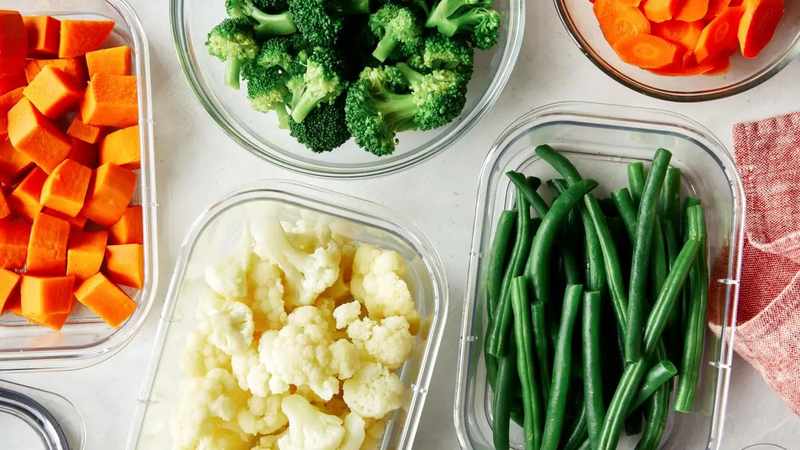
Meal prepping on Sundays became my ritual. I'd cook four lunches and four dinners in about two hours. Chicken, rice, vegetables. Ground turkey with peppers. Salmon with sweet potato. Nothing fancy. Everything portioned into containers. During the week, I just grabbed a container and heated it. The convenience matched takeout, but the nutrition was incomparably better.
The cost savings were shocking. A typical takeout dinner in Denver is $15-20 with delivery fees. A home-cooked dinner costs $4-6 in ingredients. Over a month, that's $300-400 saved. Over a year, that's a vacation fund. I wasn't just eating better. I was literally getting richer.
The unexpected benefit was creativity. Cooking forced me to engage with food in a way that ordering never did. I learned what flavors work together. I learned how to salvage a dish that was going wrong. I learned that "good enough" home cooking beats mediocre takeout every time. The kitchen became a place of experimentation rather than just utility.
The impact on my weight was immediate and surprising. Within a month, my trend line started dropping — even though I felt like I was eating more food. The difference was control. At home, I controlled the oil, the salt, the portions. At restaurants, I controlled nothing. A "serving" of pasta at a restaurant is often three servings by home standards. I was eating triple portions without realizing it.
There's also a psychological benefit. Cooking forces you to engage with your food. You see what goes into it. You smell it cooking. You appreciate it more. I started eating slower, which meant I felt full sooner. I stopped mindlessly inhaling calories and started actually tasting them.
I still eat out. Probably twice a week. But it's intentional now, not default. I choose the restaurant. I choose the meal. I know roughly what I'm getting. The rest of the time, I cook. It saves money, improves my health, and honestly, the food tastes better. A simple home-cooked steak beats most restaurant steaks because I cook it exactly how I like it.
If you're struggling with weight and eating out daily, try cooking just two more meals at home per week. That's it. You don't need to become a chef. You just need to take back control of what goes on your plate.
The confidence boost was unexpected. Learning to cook gave me a sense of competence that spilled over into other areas. If I could learn to make a decent stir-fry, what else could I learn? It started a cascade of self-improvement. I started reading about nutrition. I tried new workouts. I got more organized. Cooking was the gateway habit that unlocked everything else.
I also started appreciating food more. When you cook something yourself, you understand the effort and ingredients that go into it. Restaurant meals that once seemed magical now look overpriced and underwhelming. "I could make this better at home for a third of the cost." That mindset shift is permanent. Once you learn to cook, you can't unlearn it.
How many meals do you cook at home in a typical week?
The confidence boost was unexpected. Learning to cook gave me a sense of competence that spilled over into other areas. If I could learn to make a decent stir-fry, what else could I learn? It started a cascade of self-improvement. I started reading about nutrition. I tried new workouts. I got more organized. Cooking was the gateway habit that unlocked everything else. Sometimes the smallest change creates the biggest ripple.
Start with one meal a week. Just one. Make something simple. Build from there. You don't need to become a chef. You just need to become someone who can feed themselves. That's a low bar, but it's a transformative one. Once you can cook, you're no longer dependent on restaurants, delivery, or packaged food. You're free.