I Gained Four Pounds After a Single Run. The Heat Did It.
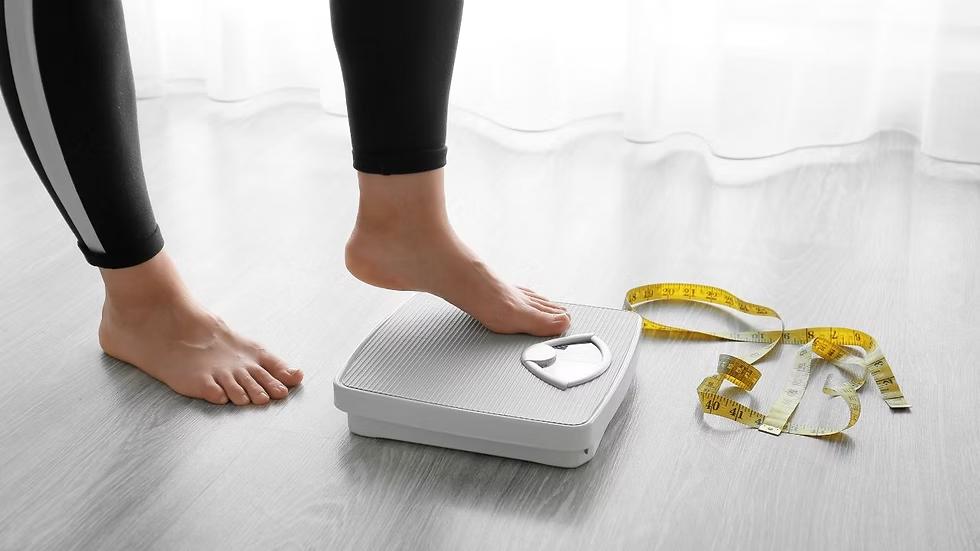
Monday morning. 6:30 AM. I stepped on the scale before my run. 174.2 pounds. I did five miles along the Platte River trail. It was already 82°F. I drank half a liter of water during the run. I came home, showered, ate breakfast, and stepped on the scale again. 178.4 pounds. I stared at the number. I did not eat four pounds of food. I did not drink four pounds of water. What was happening?
Inflammation. When you exercise in heat, your body retains fluid to repair micro-damage in your muscles and to maintain blood volume. The scale does not know the difference between fat and water. It just knows mass. I checked my weight again Tuesday morning, pre-run. 174.6 pounds. The four pounds were gone. They were never real. They were water doing its job.
This is why I stopped weighing myself every day during the summer. The fluctuations are too dramatic. My spreadsheet — yes, I still use the spreadsheet — shows a clear pattern. From June through August, my daily weight swings by as much as 3.8 pounds. In the winter, the swing is about 1.5 pounds. The variable is not my diet. It is the temperature.
Here is what actually happens. When you sweat, you lose sodium. If you drink plain water to replace it, you dilute your blood sodium level. Your body responds by holding onto water to keep the concentration stable. This is called exercise-associated hyponatremia when it gets severe. In mild form, it is just bloating. The fix is not less water. It is electrolytes. I started adding a pinch of salt to my post-run water. The next week, my post-run weight spike was only 1.8 pounds.
I also track my waist measurement now. It is a better indicator than weight during the summer. My waist stays within a half-inch range even when the scale bounces around. That tells me my body composition is stable. The scale is just measuring water drama.
My coworker Dave — the keto guy — texted me last week. "Gained six pounds on vacation. Ruined everything." I asked him if the vacation involved a plane flight. He said yes. I told him that cabin pressure and altitude changes cause fluid retention. Add restaurant sodium and a few beers, and you have a perfect storm of fake weight gain. He did not believe me. He weighed himself three days later. Down five pounds. He thought he had broken some kind of metabolic code. I did not correct him.
The point is not to ignore the scale. The point is to understand what it is actually measuring. In the summer, it is mostly measuring water. If you want to track real progress, use a seven-day rolling average. Or use the trend line in my spreadsheet. Or just look in the mirror. The mirror does not lie. The scale lies every day. It is just a machine with a number and no context.
Alex, Denver